Leadership in law enforcement is not defined by rank or title. It is defined by the ability to guide, support, and empower the people who serve our communities every day.
Throughout my career in emergency services and law enforcement, I have experienced both strong leadership and toxic leadership. I have seen firsthand how poor leadership damages morale, erodes motivation, and ultimately impacts the performance of those sworn to protect the public. I have also seen the opposite — leadership that builds confidence, empowers officers, and allows them to perform at their highest level.
The difference between those two approaches can shape the culture of an entire agency.
Trust the People You Swear In
If we trust someone enough to swear an oath, wear a badge, and carry a firearm with honor, then we must also trust them to do their job professionally. Deputies should not be burdened by unnecessary micromanagement that undermines their training and experience.
Effective leadership means providing direction, support, and accountability — while allowing deputies to apply their training and judgment in the field.
Trust and professionalism must go hand in hand.
Leadership Is Not About Rank
I do not believe leadership is about people being “above” or “below” one another.
True leadership is about serving alongside the people you lead. It is about setting the example and being willing to stand with your deputies through the same challenges they face every day.
As Sheriff, I would never ask a deputy to do something I am not willing to do myself.
Leadership requires humility, accountability, and a willingness to listen.
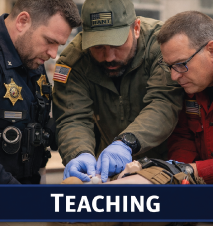
Helping Deputies Grow
My leadership philosophy is simple: help others grow.
Every deputy brings different strengths, talents, and experiences to the job. Some excel in investigations, some in patrol work, others in community engagement, training, or specialized assignments.
Strong leadership recognizes those strengths and helps deputies develop them.
If someone has expertise in an area where I can learn, I will listen. If someone is passionate about a specific role, I want to help them succeed in it. The worst thing an organization can do is place someone in a position where they have no drive to excel.
When deputies succeed, the entire agency becomes stronger.
Supporting the People Who Serve
If elected Sheriff, my responsibility will be to ensure the deputies of Cecil County have the training, tools, and professional environment they need to succeed in modern policing.
That means:
-
Investing in training and professional development
-
Providing proper equipment and resources
-
Promoting open communication within the agency
-
Building a culture based on respect, accountability, and trust
Leadership is not about demanding compliance.
It is about earning respect and building a team that is committed to protecting the community.
Leadership That Serves the Community
When deputies feel supported and respected within their agency, they are better equipped to serve the citizens of Cecil County.
Strong leadership inside the Sheriff’s Office leads to stronger relationships with the community outside of it.
My goal is to build an agency where deputies are proud to serve, and where the public knows their Sheriff’s Office operates with integrity, transparency, and professionalism.