Community policing is a fundamental part of effective law enforcement. It focuses on building strong relationships between officers and the people they serve while ensuring that crime is addressed proactively and strategically.
Every community is different, and the approach to community policing must reflect the specific needs of the areas being served. What works in one neighborhood may not be appropriate for another. Successful community policing requires flexibility, communication, and a clear understanding of the challenges facing each part of the county.
Addressing Crime Proactively
In areas experiencing higher levels of criminal activity, community policing often requires a focused and strategic response. Law enforcement agencies may deploy experienced officers to specialized units that concentrate on identifying crime patterns, targeting repeat offenders, and addressing the conditions that allow criminal activity to occur.
These officers use their experience and training to work proactively within affected communities, coordinating investigative resources and enforcement strategies aimed at reducing crime and improving safety for residents.
A strong and professional presence in these areas helps reinforce public safety and supports the law-abiding citizens who live and work there.
Building Trust in Neighborhoods
Community policing is not solely about enforcement. It is also about building meaningful relationships between officers and the communities they serve.
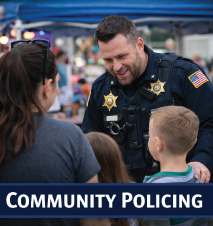
When officers are visible and engaged in their communities, they become familiar faces rather than distant figures who only appear during emergencies. Routine interactions—such as attending community events, visiting local businesses, and speaking with residents—create opportunities for communication and mutual understanding.
These relationships strengthen trust and help ensure that citizens feel comfortable sharing concerns, reporting issues, and working with law enforcement to address problems in their neighborhoods.
A Balanced Approach
Effective community policing requires balance. It combines proactive enforcement where necessary with consistent engagement and relationship-building throughout the community.
When this balance is achieved, it sends two clear messages:
-
To residents: law enforcement is present, engaged, and committed to their safety.
-
To those who choose to engage in criminal activity: the community is protected and law enforcement is actively working to prevent crime.
Strengthening the Community
Strong partnerships between law enforcement and the community help create safer neighborhoods and more effective public safety strategies. When citizens and officers work together, information flows more freely, problems are addressed more quickly, and trust grows over time.
Community policing ultimately reflects a shared commitment to protecting the people and neighborhoods that make up Cecil County.