In professions where lives are on the line, learning cannot stop. Continuous improvement, training, and professional development are essential to maintaining the skills and judgment required to protect the public effectively.
The pursuit of improvement has always been an important part of public safety. Many people say “practice makes perfect,” but in reality, even the best practices can be refined and strengthened over time. Training allows first responders to learn from one another, adapt to new challenges, and improve the way they serve their communities.
A Commitment to Ongoing Learning
Throughout his career in emergency services and law enforcement, Nick Jaskiewicz has remained committed to expanding his knowledge and sharing it with others. Training environments allow first responders to build skills, test decision-making, and prepare for the unpredictable situations they may face in the field.
This commitment to improvement applies not only to individual officers but also to the agencies and organizations they serve.
Instructor Experience
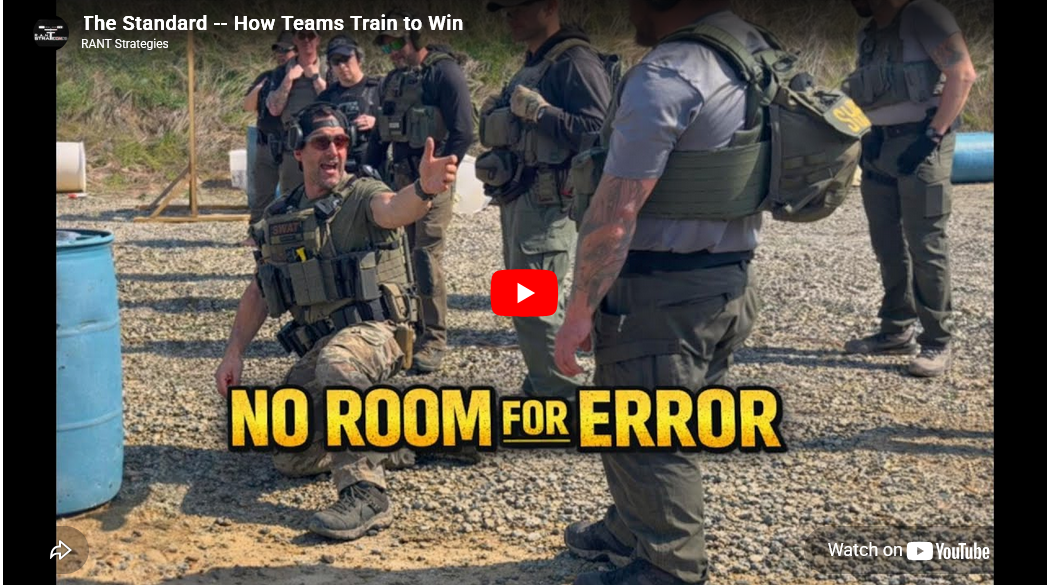
Nick has had the opportunity to instruct first responders from across the country. Working alongside experienced professionals in both law enforcement and emergency medical services, he helped establish RANT Strategies, a training company focused on delivering realistic and controlled stress-based training to those operating on the front lines.
The goal of this training is to prepare responders for real-world conditions by combining practical instruction with scenarios that reflect the challenges faced during actual emergency situations.
Each instructor involved in the program brings specialized expertise from their field, allowing training sessions to reflect a broad range of operational experience.
Specialized Training Programs
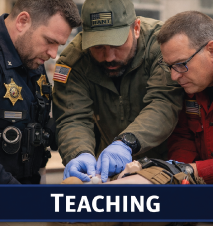
One of the notable programs developed through RANT Strategies focuses on K9 medical care, providing first responders and K9 handlers with the knowledge and skills needed to treat injured working dogs in emergency situations.
Courses range from shorter foundational training sessions to more comprehensive multi-day programs that cover advanced life-saving interventions. These courses are designed to provide practical knowledge that can be applied immediately in the field.
Participants have included members of federal, state, and local agencies, including organizations such as the ATF, FBI, U.S. Secret Service, state police agencies, sheriff’s offices, and local police departments.
Learning From Agencies Nationwide
Training opportunities also provide valuable chances to collaborate with agencies from across the country. Conferences and professional development events allow first responders to exchange ideas, discuss challenges, and learn about different approaches to public safety.
Nick regularly attends and instructs at training conferences around the country, including tactical officers association conferences in states such as Indiana, Michigan, and Ohio.
These opportunities provide insight into how agencies across the nation approach training, leadership, and operational challenges. Observing both the differences and the similarities between departments helps broaden perspective and strengthen professional development.
Bringing Training Back Home
Experience gained through teaching and collaboration with other agencies can help strengthen local departments. Exposure to new ideas, evolving techniques, and lessons learned from other jurisdictions can contribute to stronger training programs and better preparation for real-world situations.
A continued focus on training, professional development, and knowledge-sharing helps ensure that public safety professionals are prepared to meet the demands of modern policing and emergency response.
Strong training programs ultimately benefit both first responders and the communities they serve.